The Rise of Government Operations as a Policy Priority
For decades, the dominant issues in congressional campaigns have remained relatively the same. Politicians and their constituents prioritized the economy, healthcare, and education, across both political parties. However, in 2022, a different issue took top spot amongst winning candidates.
Government Operations, a broad category covering elections, spending, government reform, and the scope of federal power, had become the most commonly featured platform issue across both parties, overtaking economics.
This data from the charts below comes from CampaignView, an open database of congressional candidate campaign platforms built by researchers at the University of Notre Dame, University of Iowa, and UNC Chapel Hill. The text was collected one week before each state's primary election, from the websites of 5,228 candidates who ran for the U.S. House between 2018 and 2022. Each candidate’s website was hand researched and annotated for individual policy platforms, and as a result is an incredible resource to understanding the policy platforms of both major political parties.
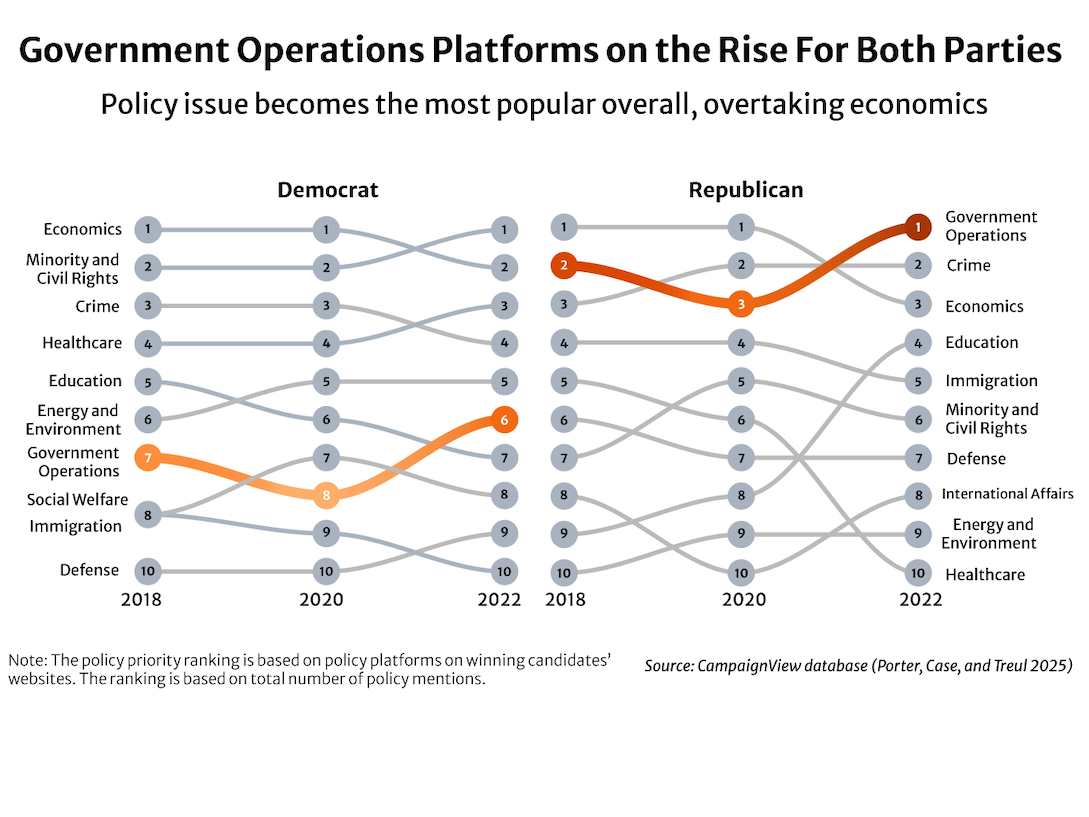
The chart below tracks how candidates ranked policy issues on their campaign websites from 2018 to 2022. In 2018, Government Operations was barely acknowledged among Democrat politicians, however it remained amongst the top platforms for Republicans. By 2022, both parties saw an uptick in government operations policy mentions, with it being the number one policy platform for Republicans. 2022 marked the first time since the creation of the dataset that economics was not the leading platform.
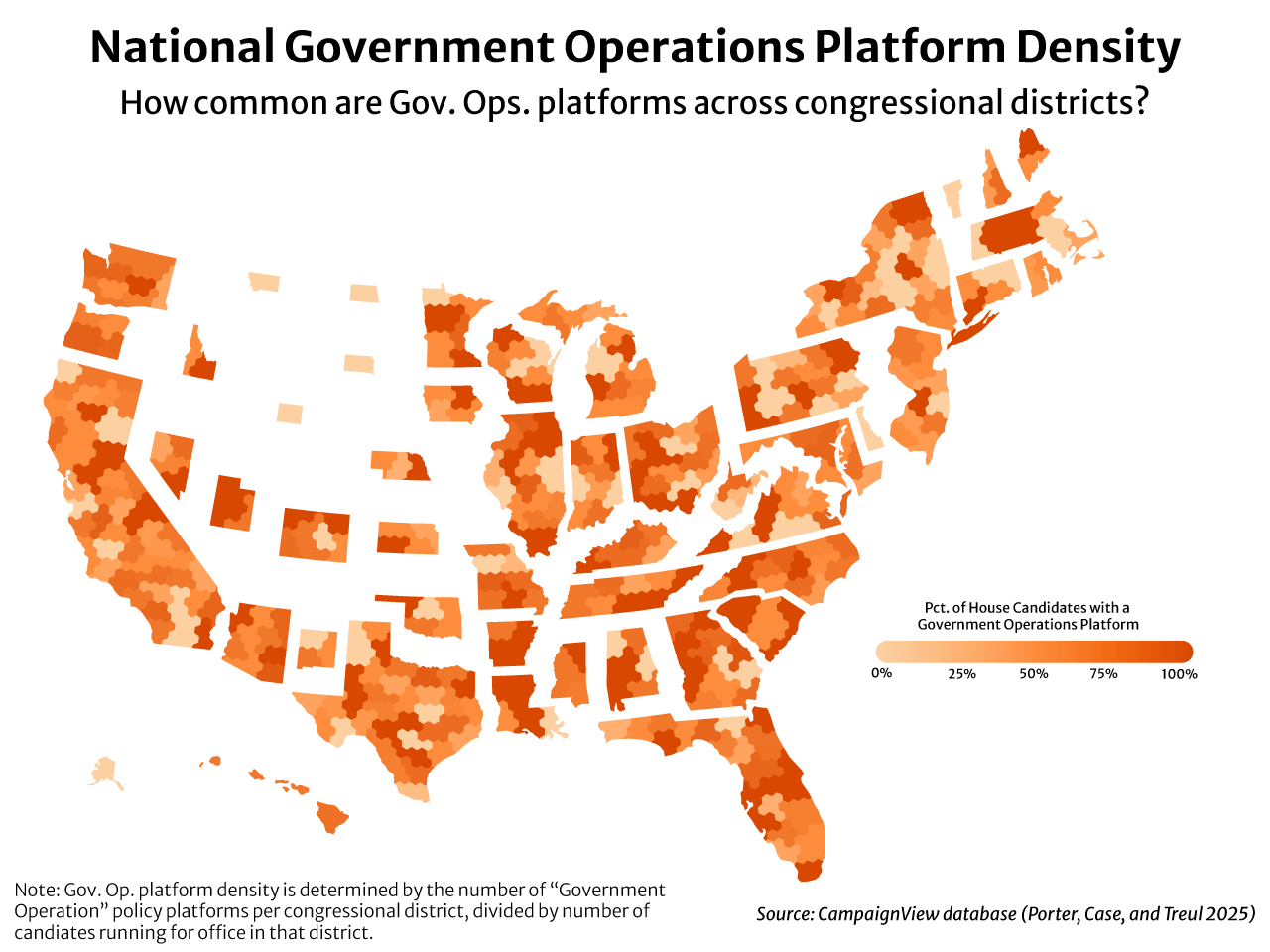
After realizing just how prominent this policy category had become, I was naturally curious about where in the country these platforms were targeting. As is visible in the map below, Government Operations platforms appear across the entire country, not just in particular regions. The map below shows their distribution across congressional districts.
Darker shading represents districts where a higher percentage of candidates used Government Operations content in their platforms. The spread runs from the Pacific Northwest through the rural Midwest and into the Deep South. The platform is not concentrated to any particular region, indicating a national sentiment for government reform.
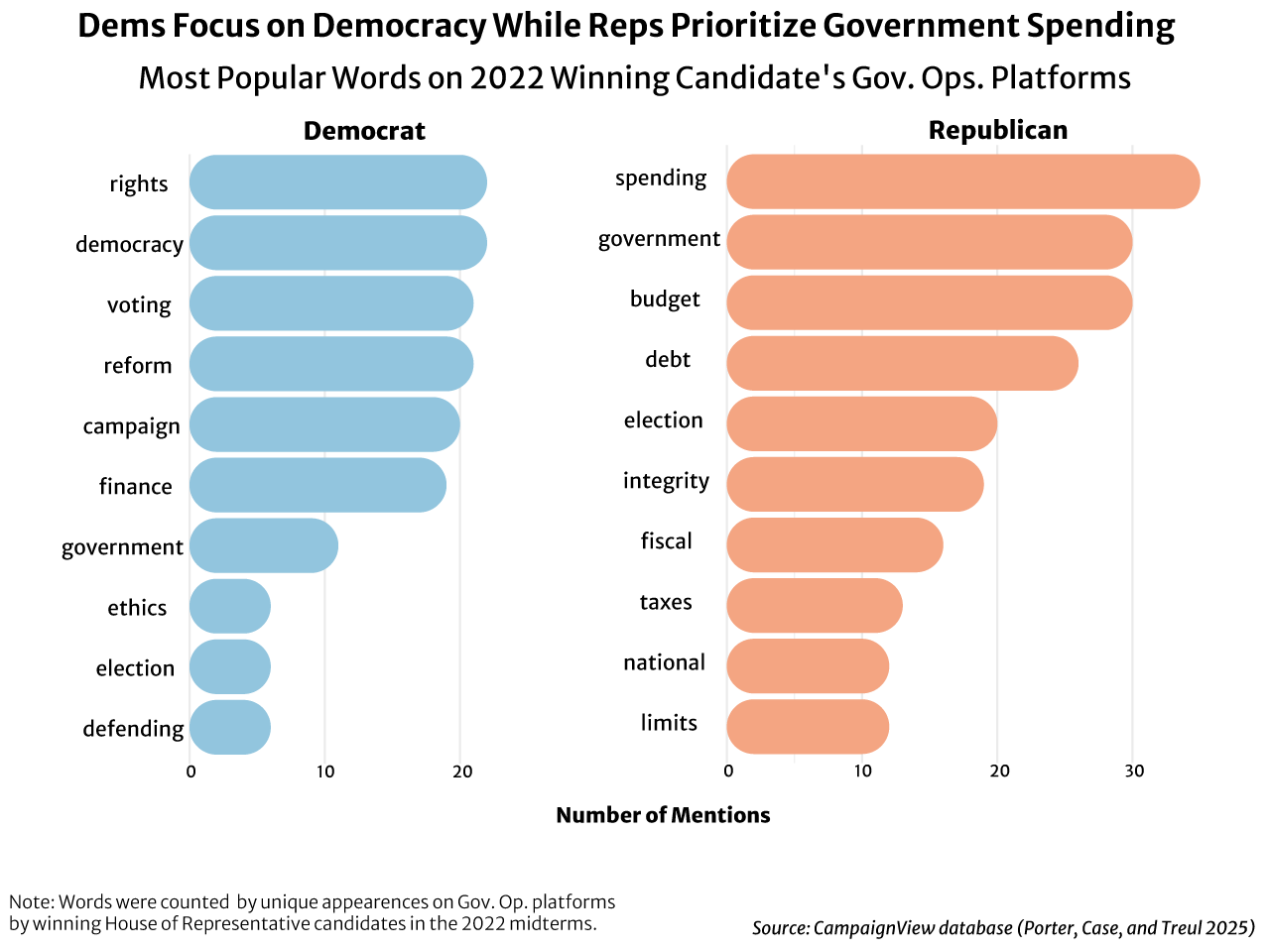
Both parties are clearly featuring Government Operations, but not in the same way. The word frequency chart below shows the most common terms in Government Operations platform points for winning 2022 candidates in each party.
Democratic platforms center on words like democracy, voting, rights, and reform, which is language tied to the electoral process and voting participation. Republican platforms on the other hand lead with spending, budget, debt, and government. These are more fiscal terms, showing a clear divergence in the way both parties talk about the government and reform.
The trend in increasing Government Operations platforms is not hard to explain given what has dominated the political environment in recent years. With the insurrection on January 6th and legal battles over the security of the 2020 presidential election, it makes natural sense that Democrats are responding to public pressures to ensure it cannot happen again. Additionally with the increasing national deficit, the ever increasing debt ceiling, and the persistent arguments about the size of the federal bureaucracy the Republican fiscal push also reflects their constituents worries about government spending of their tax dollars. In the increase in Government Operations policy platforms both parties are clearly advocating for change in the government today, however their two approaches remain very different.
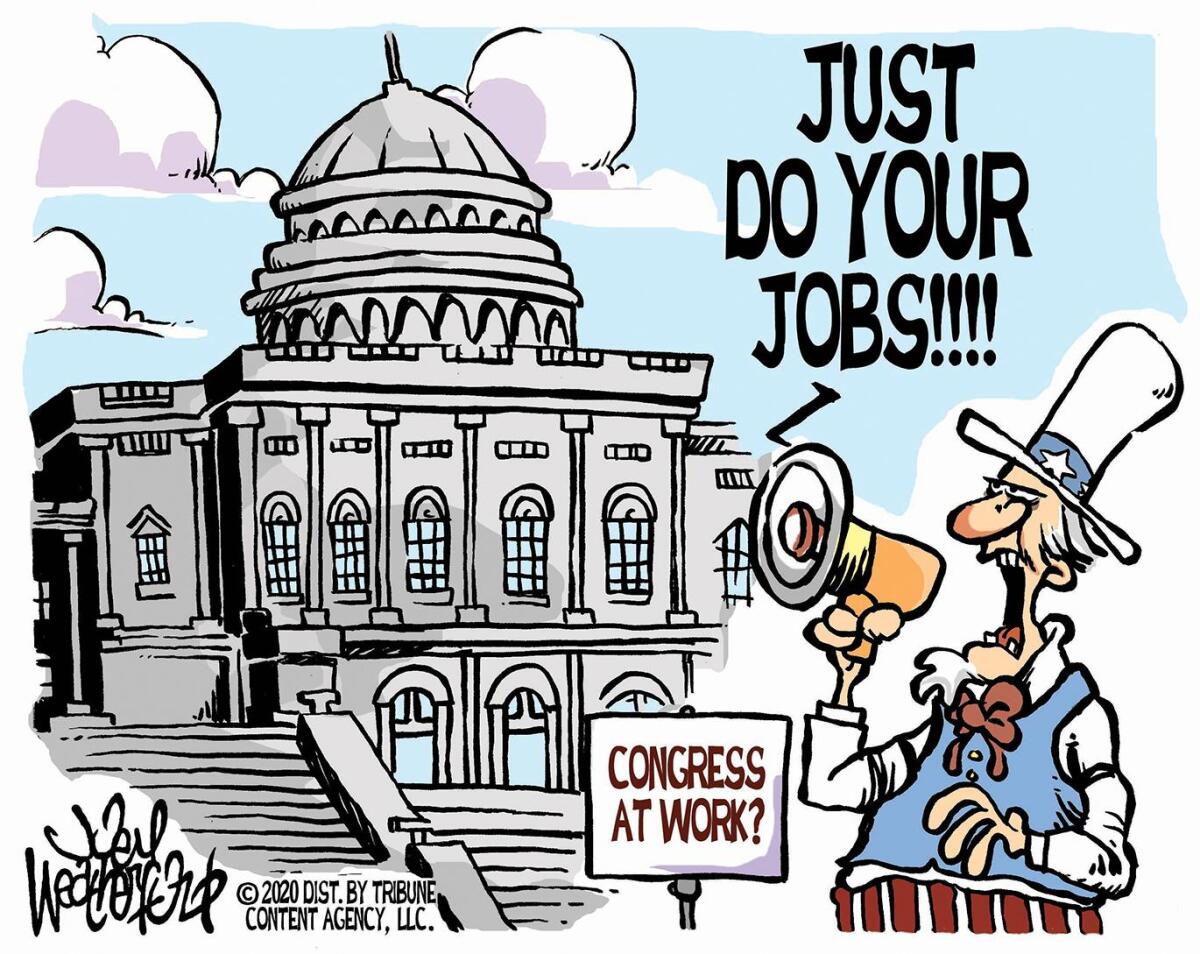
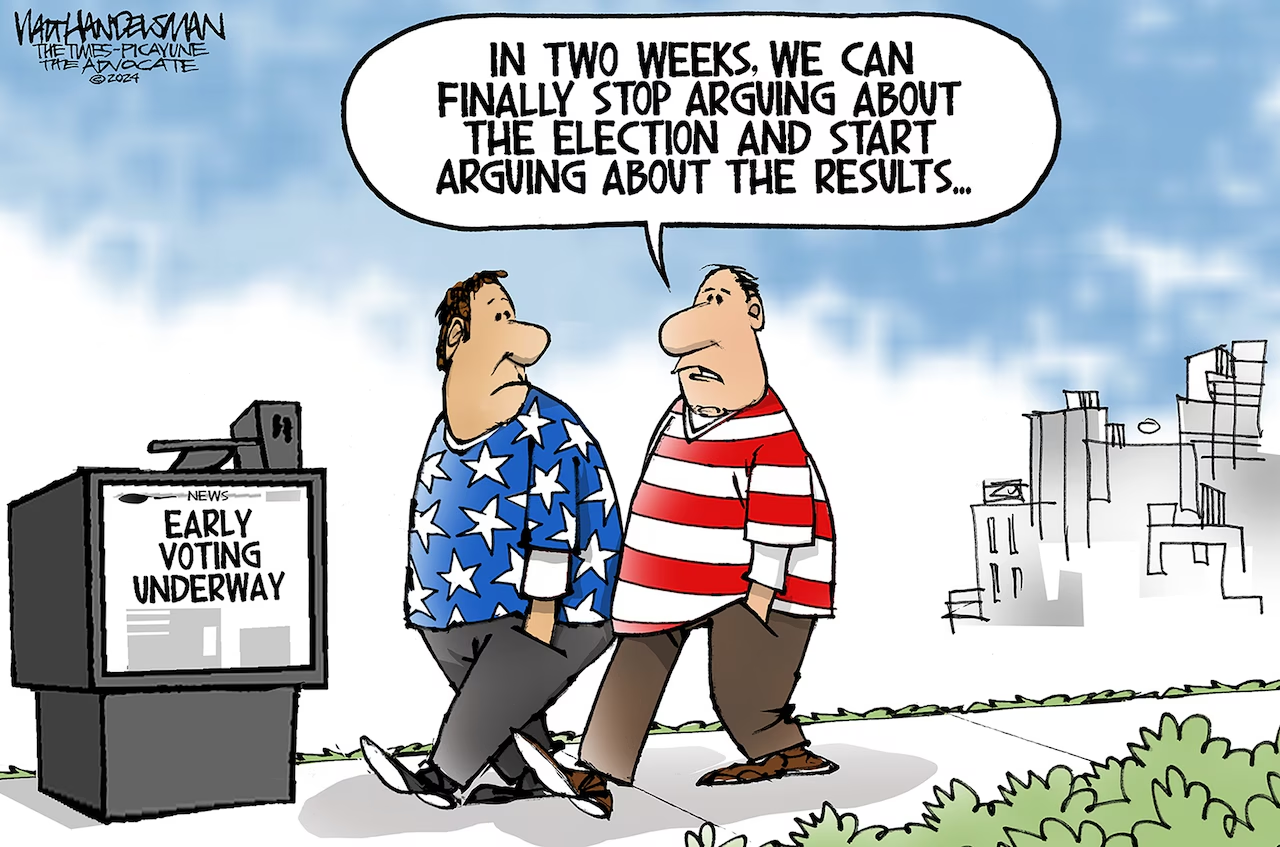
1. "Just Do Your Jobs!!!!" Matt Wuerker, Politico / Tribune Content Agency, LLC. 2020.
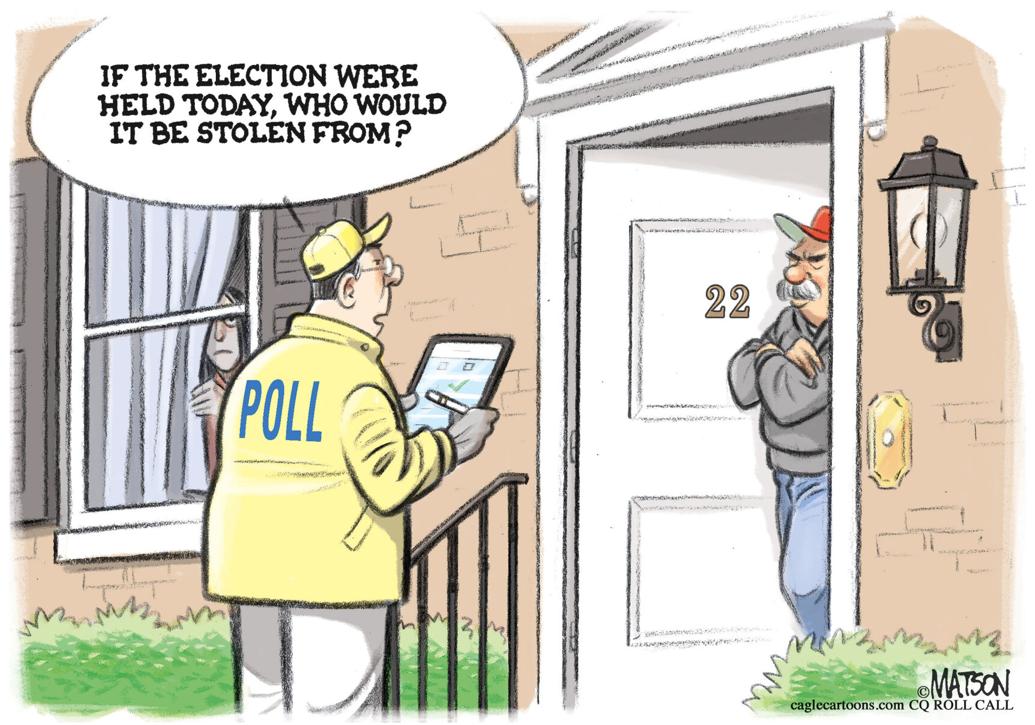
2. "If the election were held today, who would it be stolen from?" R.J. Matson, CQ Roll Call / Cagle Cartoons (caglecartoons.com).
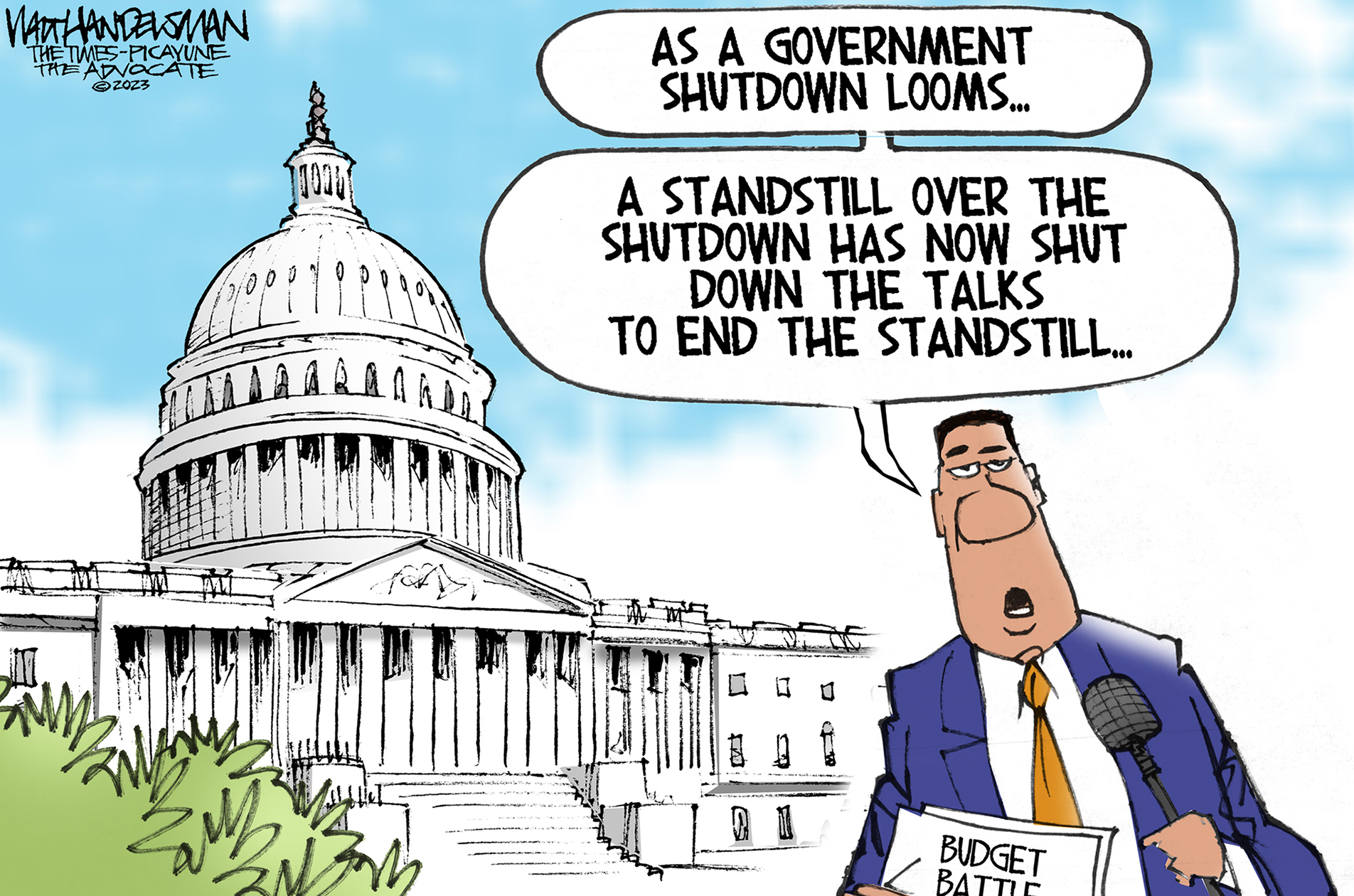
3. "As a Government Shutdown Looms..." Walt Handelsman, The Times-Picayune / The Advocate. 2023.
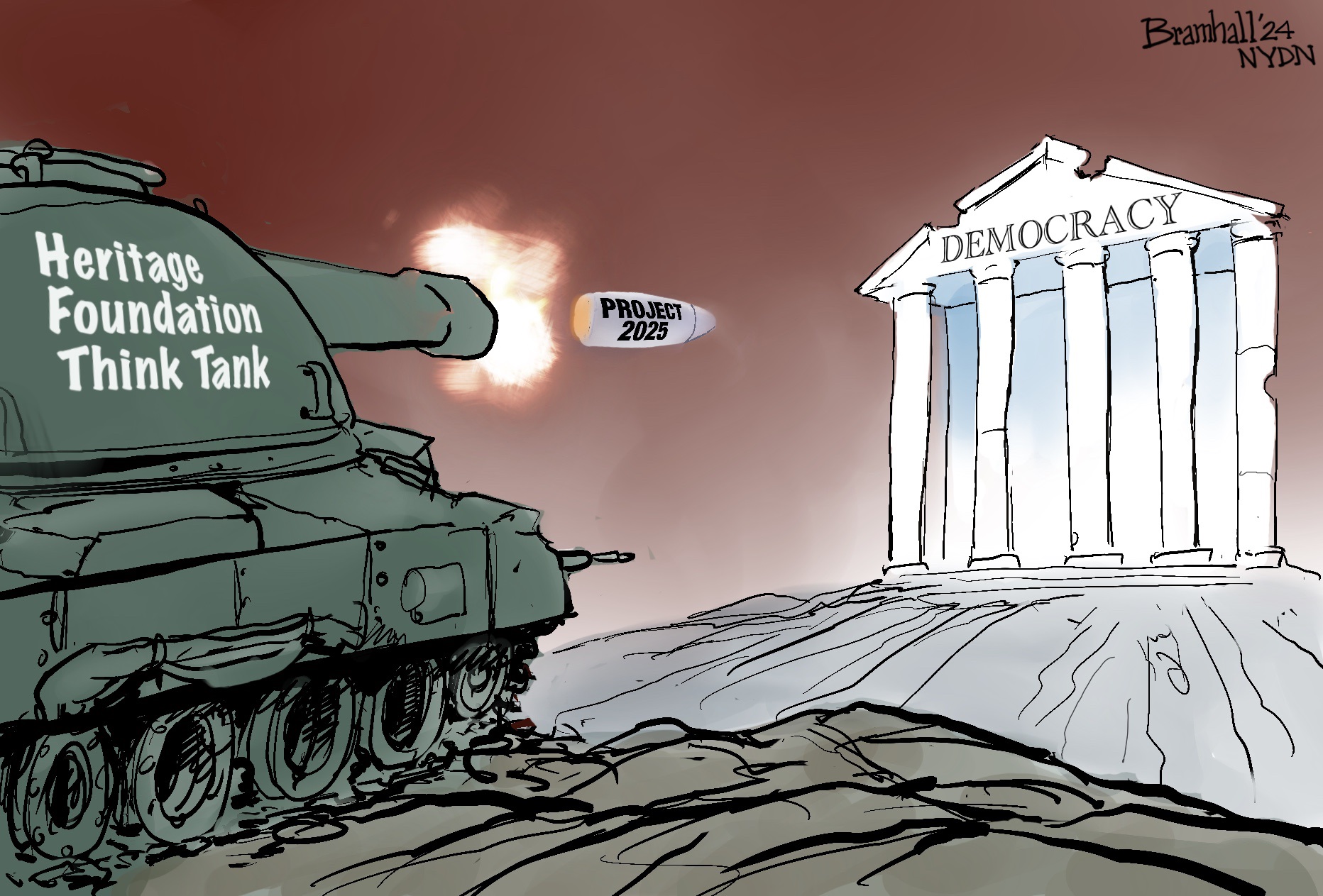
4. Heritage Foundation Think Tank / Project 2025 / Democracy. Bill Bramhall, New York Daily News. 2024.
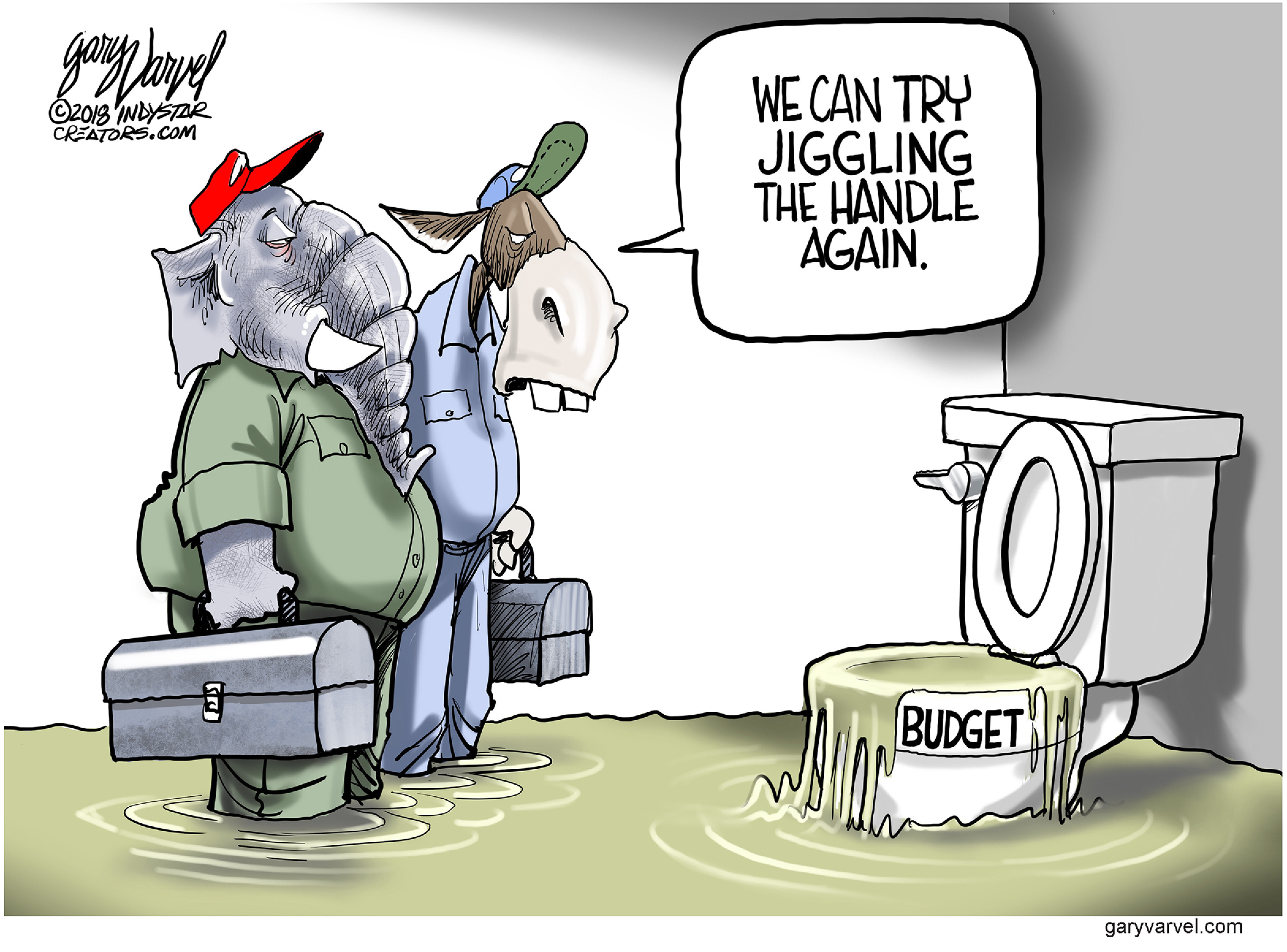
5. "We Can Try Jiggling the Handle Again" (Budget). Gary Varvel, IndyStar / Creators Syndicate (creators.com). 2013.
About this story
This analysis uses data from the CampaignView database (Porter, Case, and Treul 2025), which tracks policy platforms on winning congressional candidates' campaign websites. Policy priorities are ranked by total number of mentions across candidate platforms for each election cycle. The data covers U.S. House races from 2018 to 2022.
This data narrative is the final project for the course DATA 1500, taught by Professor Reuben Fischer-Baum at Brown University.